
The history of gambling a journey through time and chance
The Origins of Gambling
The history of gambling dates back thousands of years, with evidence of games of chance found in ancient civilizations. The earliest recorded instances of gambling can be traced to ancient China around 2300 BC, where simple forms of betting were likely associated with dice and rudimentary games of chance. Similarly, artifacts from ancient Mesopotamia, including clay tablets, show the use of dice, suggesting that gambling was a common pastime across various cultures. Many players today seek the thrill of this activity at online platforms such as mr play, which continue this long-standing tradition.

As societies evolved, so did the methods and purposes of gambling. In ancient Rome, for instance, soldiers often gambled on the outcomes of battles and contests, while the elite indulged in more organized forms of wagering. This period marked a significant shift from informal gambling to more structured activities, laying the groundwork for future developments in the gambling world. The Roman Empire’s influence extended far and wide, thereby spreading gambling practices across Europe and beyond.
The transition from antiquity to the Middle Ages saw gambling take on new forms, particularly with the introduction of card games in Europe around the 14th century. These games would eventually evolve into the modern poker and blackjack variants we recognize today. The use of cards not only added complexity but also contributed to the popularity of gambling as a social activity. Thus, gambling became a staple in various cultures, often entwined with festivities and gatherings.
The Evolution of Gambling Through the Ages
As gambling practices matured, the Renaissance era brought about significant changes. The establishment of the first official lottery in the 15th century in France marked a pivotal moment in gambling’s evolution. Lotteries were utilized as a means to raise funds for public projects, offering a semblance of legitimacy to gambling. This led to various European countries adopting similar systems, creating a widespread acceptance of gambling as a legal and responsible activity.
Moreover, the late 17th and 18th centuries witnessed the emergence of gambling houses and betting shops, particularly in England. These venues became social hubs for those eager to try their luck, facilitating wagering on everything from horse races to card games. Notably, the introduction of roulette in France during this time added a new dimension to gambling, captivating players with its allure and chance. As a result, the gambling culture continued to grow, leading to the establishment of regulated casinos.
The 19th century saw a further transformation with the advent of organized sports betting and the birth of the modern casino. In 1863, the first modern casino opened in Monte Carlo, Monaco, offering a range of games and luxurious amenities. This marked the beginning of gambling as a lucrative industry, attracting tourists and players from around the globe. With innovation in games, the casino industry started to thrive, and the concept of gambling as entertainment became firmly rooted in society.
The Rise of Online Gambling
The late 20th century heralded a digital revolution that transformed gambling once more. The internet emerged as a new frontier, leading to the establishment of online casinos in the 1990s. This groundbreaking development allowed players to enjoy their favorite games from the comfort of their homes, significantly broadening the audience for gambling. The first online casino launched in 1994, offering a selection of games that replicated traditional casino experiences.
As technology advanced, so did online gambling platforms. Innovations such as live dealer games and mobile gaming applications provided players with increasingly immersive experiences. Online gambling not only attracted seasoned players but also a new generation interested in the convenience and accessibility it offered. Furthermore, the introduction of secure payment methods and regulatory frameworks ensured that online gambling could be conducted safely, building trust among users.
In recent years, the online gambling landscape has evolved rapidly, with a focus on user experience and engagement. Many platforms now offer diverse game libraries, including slots, table games, and even sports betting. The rise of responsible gambling initiatives has also become prominent, with operators striving to promote safe gaming practices. This transformation illustrates how online gambling has adapted to modern demands while maintaining its core essence of chance and entertainment.
The Global Landscape of Gambling Today
Gambling has permeated cultures worldwide, manifesting in various forms and regulations. Countries like the United States and Australia have seen significant growth in both land-based and online gambling markets. The legalization of sports betting in the U.S. post-2018 further illustrates the changing attitudes toward gambling, with many states embracing this lucrative industry. This shift has not only generated tax revenue but has also created jobs and economic growth.
In contrast, some regions maintain stricter regulations, limiting gambling activities. For instance, in certain parts of Asia, gambling is tightly controlled, often permitted only within designated areas. However, underground gambling operations can still flourish, indicating the resilience and appeal of gambling in the face of restrictions. Understanding these regional variations highlights the complexity of gambling as both a social activity and an economic driver.
Moreover, the emergence of technology has influenced gambling trends globally, with the integration of artificial intelligence and virtual reality opening new avenues for player engagement. Gamification elements are becoming increasingly common, transforming traditional games into interactive experiences. As gambling continues to adapt to contemporary advancements, its future remains exciting and unpredictable, reflecting the very essence of chance.
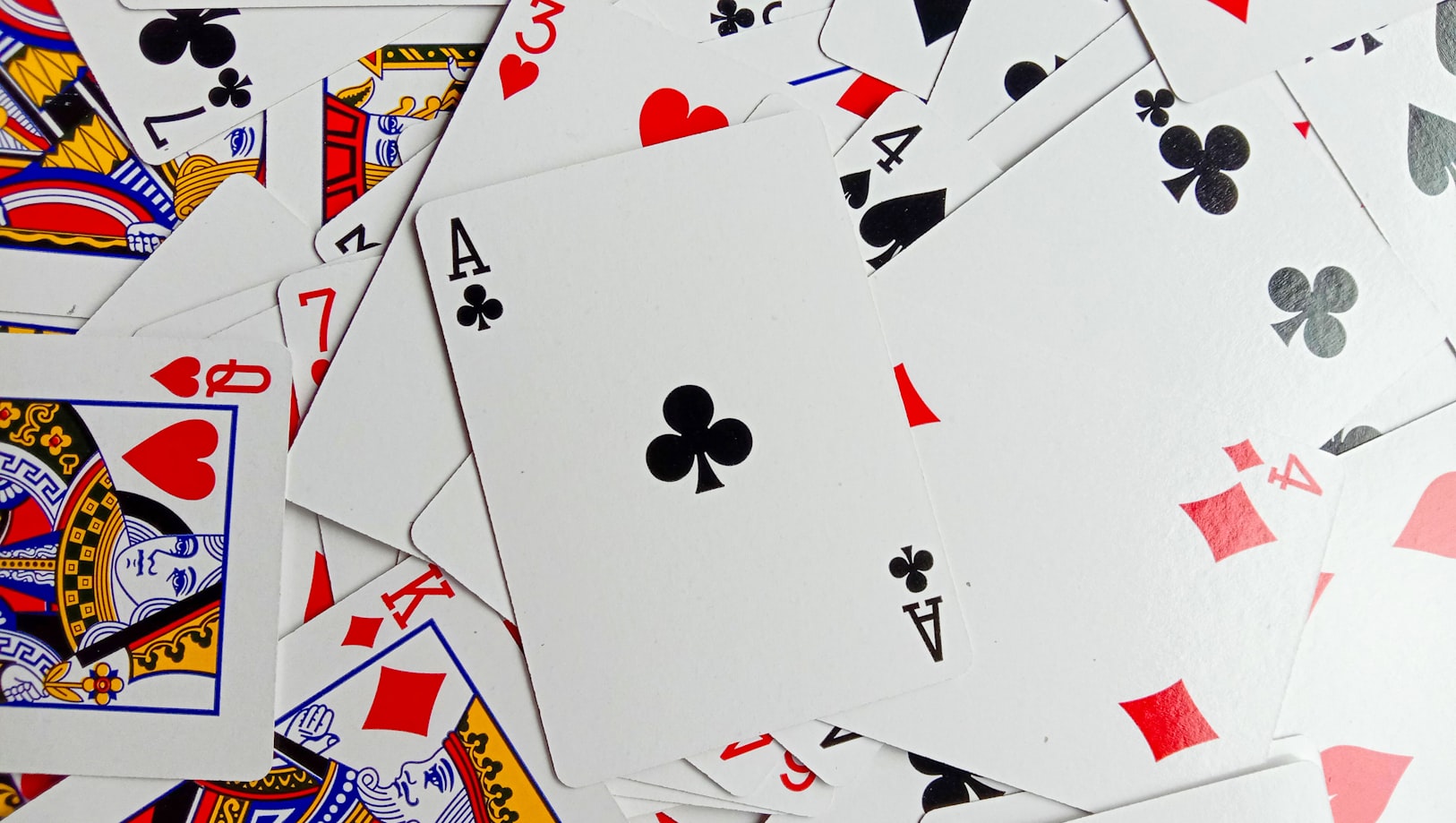
MrPlay Casino: A Premier Online Gaming Experience
MrPlay Casino stands out in the online gaming landscape, offering a comprehensive platform tailored for both casual and seasoned players. With a library boasting over 800 games, including slots, table games, and live dealer options, it provides a rich array of entertainment for every type of player. The user-friendly interface ensures a seamless experience, making it easy for newcomers to navigate while still catering to the demands of experienced gamblers.
Focused on security and player satisfaction, MrPlay Casino is licensed by the UK Gambling Commission, promoting responsible gaming practices. The platform prioritizes quick payments and a straightforward registration process, making it accessible for everyone. Additionally, responsive customer support is available to assist players with inquiries, creating a welcoming atmosphere that enhances the gaming experience.
MrPlay Casino also offers generous bonuses and promotions, designed to elevate the overall player experience. By fostering a community that prioritizes both fun and safety, MrPlay aims to redefine online gambling, ensuring that each player enjoys their journey through the exhilarating world of chance. This commitment to excellence continues to set MrPlay apart in the competitive online gaming industry.