
The Role of Luck in Casino Games
Luck is often viewed as a significant factor in the thrilling realm of casino games. Many players enter the casino with the belief that fortune will favor them, and this belief can influence their gaming decisions. Games like slots, roulette, and blackjack have elements heavily influenced by chance, meaning that a player’s success can hinge on pure luck, especially when they consider options like crypto casino instant withdrawal that can provide a faster payout. However, it’s essential to recognize that luck is just one piece of the puzzle in the broader strategy of gaming.
Moreover, the randomness of cards or the spin of the wheel creates a dynamic environment where anything can happen at any moment. Casinos use random number generators (RNG) to ensure unpredictable outcomes, reinforcing the idea that luck plays a crucial role. While some players might rely solely on gut feelings or superstitions, it’s important to understand that these are manifestations of the emotional side of gambling, deeply intertwined with the concept of luck.
However, luck’s volatility means that it can yield both highs and lows. A lucky streak can lead to significant wins, giving players the confidence to continue betting, while an unlucky phase can result in losses that may affect their willingness to play further. This unpredictability is what makes casino gaming both exciting and perilous, as luck can change in an instant, illustrating that while luck is influential, it is also fleeting.
Skill vs. Luck in Casino Success
While luck undeniably plays a role in casino success, skill can often dictate the outcomes in certain games, especially those that require strategy and analysis. For instance, poker is a game where players must blend their luck with strategic thinking—reading opponents, bluffing, and calculating odds are crucial elements that can lead to success. Here, luck may determine the cards dealt, but skill ultimately shapes how a player responds to those cards.
Additionally, blackjack serves as another example where player skill significantly impacts the game. Knowledge of basic strategy, card counting, and proper bankroll management can elevate a player’s chances of winning, in contrast to purely relying on luck alone. This balance between skill and luck defines not only the player’s experience but also their overall success in the casino. Therefore, while luck can affect individual hands or spins, skill can lead to consistent profitability over time.

The clash between skill and luck fuels debate in the gaming community. Many seasoned gamblers advocate for a strategy-over-luck approach, emphasizing that knowledgeable choices can mitigate the influence of bad luck. Yet, new players might focus on luck, hoping for a favorable outcome without understanding the depth of strategy necessary for success in more complex games. This interplay suggests that while luck is a factor, cultivating skills is vital for long-term gains in the casino landscape.
The Psychological Aspect of Luck
The psychological influence of luck cannot be overlooked when discussing casino success. Players often develop beliefs about luck that shape their behaviors, such as betting patterns or game selection. Superstitions, such as lucky charms or rituals before playing, can create a mindset where players feel they have some control over luck. This belief can significantly affect how they approach their gaming experience, as a positive mindset might lead to bolder decisions.
Additionally, emotions tied to luck can have profound effects on decision-making. A player on a winning streak may feel invincible, leading to riskier bets, while one experiencing a series of losses might become cautious or even desperate. This fluctuation is a testament to how much the concept of luck permeates the gambling psyche. Casinos often capitalize on these psychological elements, fostering environments that encourage players to chase wins, further intertwining luck and emotional response.
Moreover, the concept of “hot” and “cold” tables or machines illustrates how players can perceive luck in their favor or against them. This perception can lead to patterns where gamblers choose to switch tables or machines based on their belief in a lucky or unlucky streak. Ultimately, the psychological dimension of luck is crucial in understanding players’ motivations and actions, influencing not just winning or losing, but the overall gaming experience in the casino setting.
The Impact of Gambling Strategies on Luck
Strategies in gambling often aim to increase the odds of winning by minimizing the role of luck. Players employ various strategies tailored to different games, such as the Martingale system in betting where players double their bets after each loss, theoretically relying on luck to eventually recoup losses. However, while this method can enhance excitement, it also carries the risk of significant financial loss if a player encounters a long losing streak.
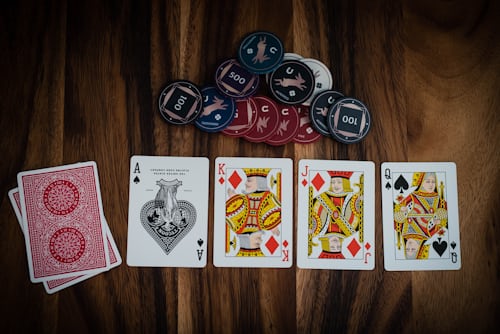
In contrast, other strategies focus on game selection based on probabilities. For example, in games like baccarat or certain versions of poker, players can leverage mathematical strategies to bet on outcomes that have a higher probability of occurring. This strategic approach acknowledges luck’s role but aims to reduce its sway by enhancing skill-based decision-making. While luck is an unavoidable element, employing effective strategies can create a more balanced approach to play.
Ultimately, the interplay between luck and strategy reflects broader themes in casino gaming. Successful players often adapt their strategies based on their experiences, learning to recognize when luck is on their side and when to pull back. By understanding the odds and employing calculated strategies, players can navigate the unpredictable nature of luck while still engaging in the thrill and enjoyment of gaming.
Your Journey in the Casino World
When approaching the casino world, it’s essential to remember that every player’s journey is unique. Different individuals may find varying degrees of success based not only on luck but also on their understanding of the games, strategic implementation, and emotional resilience. Whether you’re a seasoned player or a newcomer, engaging with this mix of luck and skill can enhance your experience and potentially improve outcomes.
As you navigate through games, consider how your perception of luck shapes your approach. Developing a balanced mindset that embraces both luck and strategic skill can lead to more informed decisions. Take time to learn the nuances of each game, understand the odds, and practice responsible gaming. This awareness can transform your casino experience from mere chance into a rewarding journey.
Ultimately, while luck remains a captivating aspect of casino games, the combination of skill, strategy, and psychological awareness plays an equally significant role in achieving success. By embracing this multifaceted approach, players can enjoy the thrill of the casino while maximizing their chances of success in this unpredictable environment.