

The Rise of UK Horse Racing: What Happens When It’s Not On?
Horse racing has long been an integral part of British culture, symbolizing both tradition and an enduring love of equestrian sport. When events are not taking place, such as during lockdowns or bad weather, many factors come into play that affect not just the sport itself, but also the economy, local communities, and national pride. Clubs, fans, and even industries tied closely with horse racing face new challenges when the races are not on. This article aims to explore the ramifications and the direct and indirect impacts felt across the UK, highlighting establishments such as the UK horse racing not on GamStop Merseyside Mounted who play significant roles in promoting safe interactions and the culture surrounding equines.
The Historical Context of Horse Racing in the UK
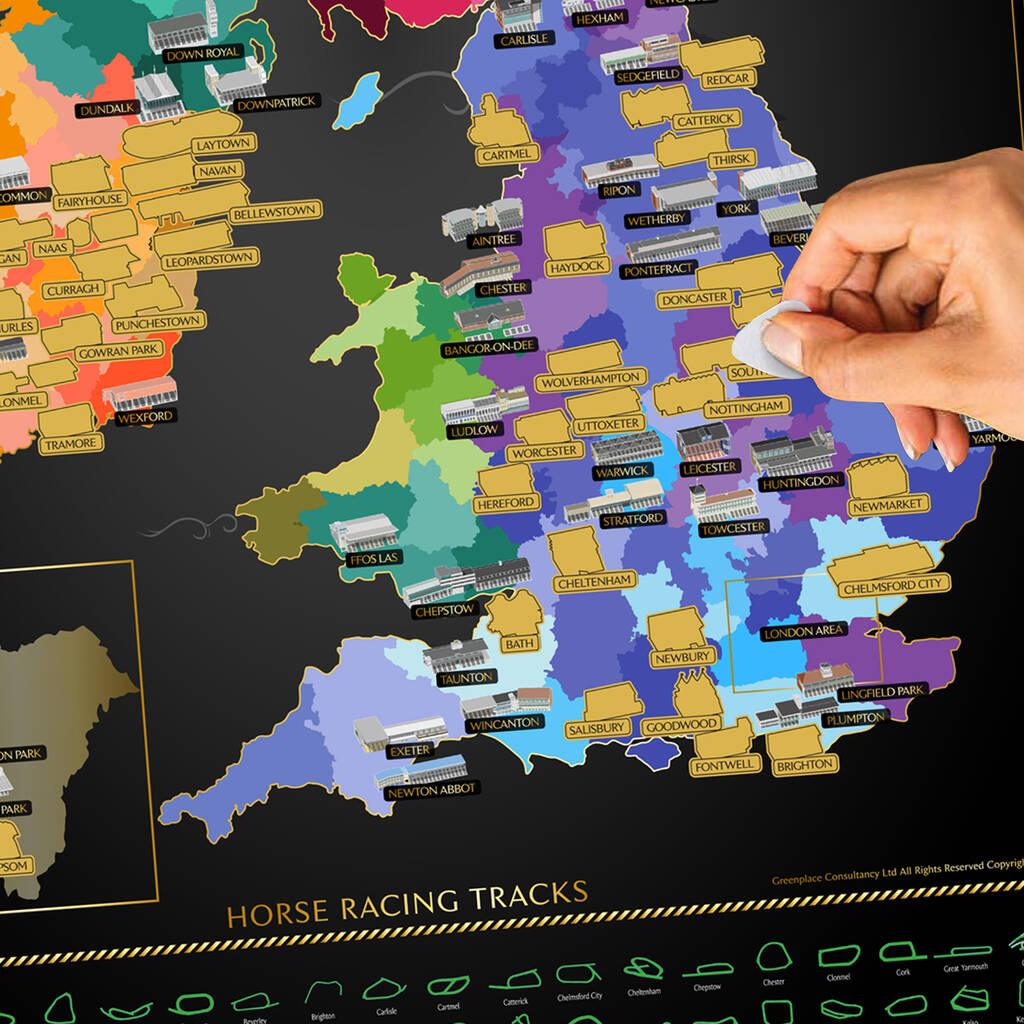
Horse racing in the UK dates back to the Roman times, evolving over the centuries into a highly celebrated sport. From spectacular annual events like the Grand National to local races that foster community spirit, horse racing is steeped in history. The British have a remarkable affection for the sport, as evidenced by the countless novels, films, and events dedicated to horse racing culture.
The Economic Impacts of Races Being Canceled
The economic ramifications of canceled races can be profound. The horse racing industry generates billions of pounds annually, contributing significantly to local economies. The racing calendar includes numerous major races and meets across various regions, which attract thousands of spectators, betting enthusiasts, and tourism. A cancellation leads to immediate financial loss for the venues, trainers, jockeys, and surrounding businesses that thrive off the influx of visitors on race days.
The Community Aspect
When races are canceled, the sense of community generated around these events is also greatly diminished. Horse racing events often serve as social gatherings, where families and friends come together. The community spirit that is forged during these occasions can have lasting implications for social bonding and local pride. Even smaller, less-publicized races that don’t attract much media attention play a vital role in maintaining community ties.
Animal Welfare Considerations
Equine welfare is another major concern when races are not on. Racehorses are usually in meticulous training regimens, and canceled races can disrupt their routines. Additionally, closures can lead to financial strains on owners and trainers, which may inadvertently affect the care standards for these animals. It raises questions regarding the responsibility of owners and the support systems in place for the welfare of racehorses.
The Role of Betting and Gambling
Horse racing and gambling are deeply intertwined. When races are not taking place, betting shops experience a significant drop in revenue. Online betting platforms may also feel the pinch, affecting both their business model and the economy at large. For many punters, horse racing is a major source of entertainment, and the absence of races can create a substantial void in their recreational lives.
Alternatives and Innovations During Downtime
Despite the challenges when races are not on, innovation emerges as the industry adapts to the situation. Virtual racing, albeit different in experience, has seen a rise to fill the gap. Online platforms offer simulated races where fans can engage through betting without the traditional live
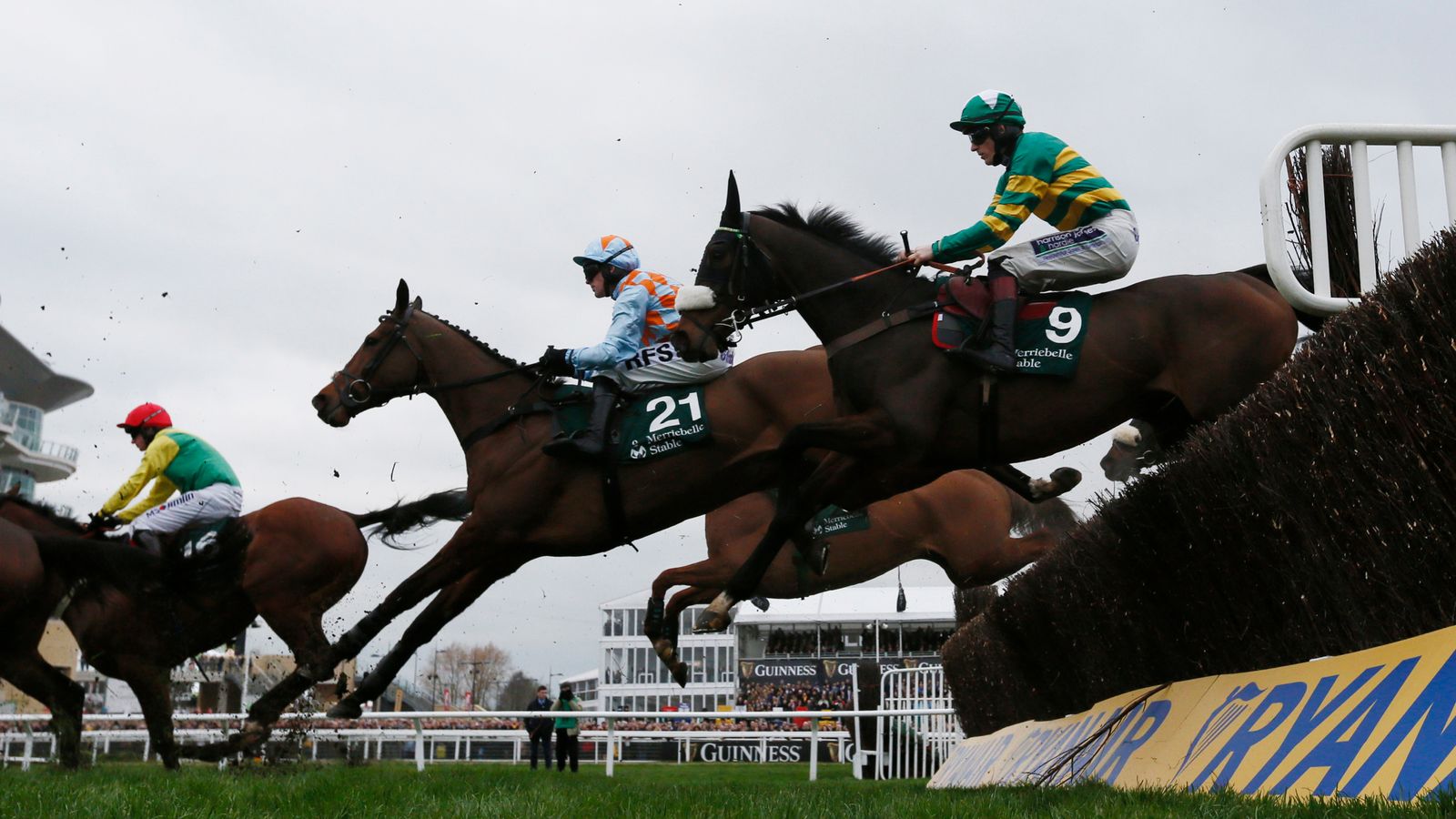
event. Additionally, trainers and owners may invest their time into improving training facilities or experimenting with new techniques, maintaining their horses’ physical and mental health while waiting for the races to resume.
The Future of Horse Racing in the UK
Looking ahead, the future of horse racing in the UK remains uncertain but hopeful. As the industry adapts to technological advancements and societal changes, the focus on safety, welfare, and community involvement is likely to strengthen. The collaborative efforts among stakeholders, including governing bodies, trainers, and local authorities, will be crucial to ensure the prosperity of the industry. Each challenge faced may unveil opportunities for transformation and progress.
Conclusion
When horse racing events are not on, the implications extend far beyond the racetracks. It affects the economy, community engagement, animal welfare, and the accompanying culture that surrounds this beloved sport. The efforts by organizations like the Merseyside Mounted and others in promoting horse welfare and community safety play vital roles in keeping the spirit of UK horse racing alive, even in challenging times. As the industry navigates through these complexities, it will be all about finding the right balance to honor both the equine athletes and the thousands who cherish the traditions of horse racing.